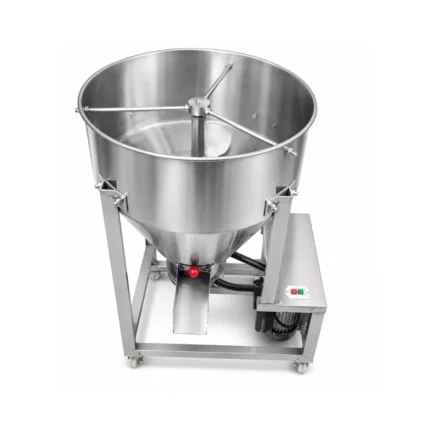
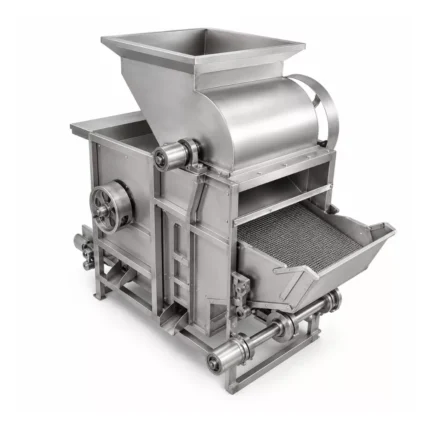
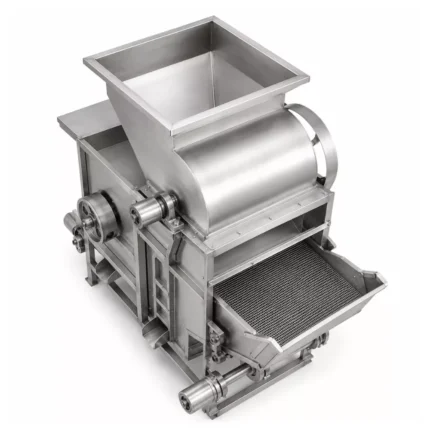
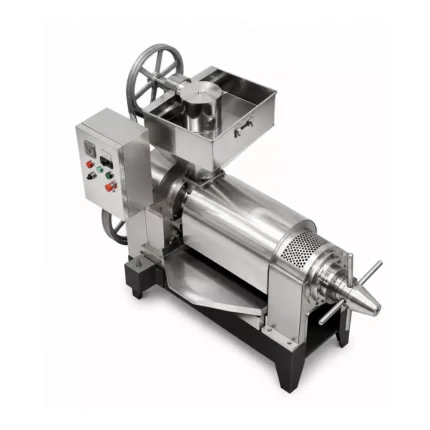
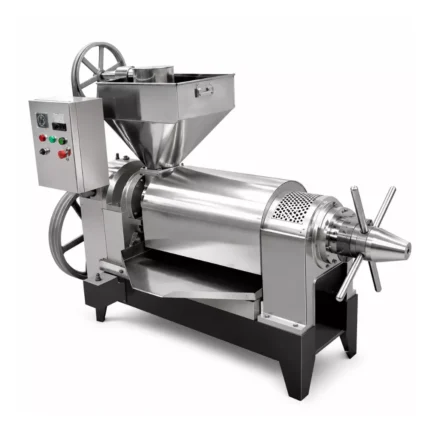
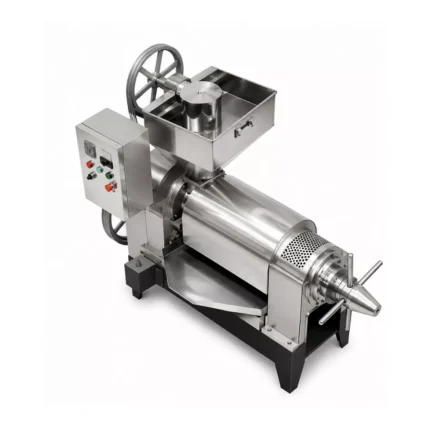
Seed Grader

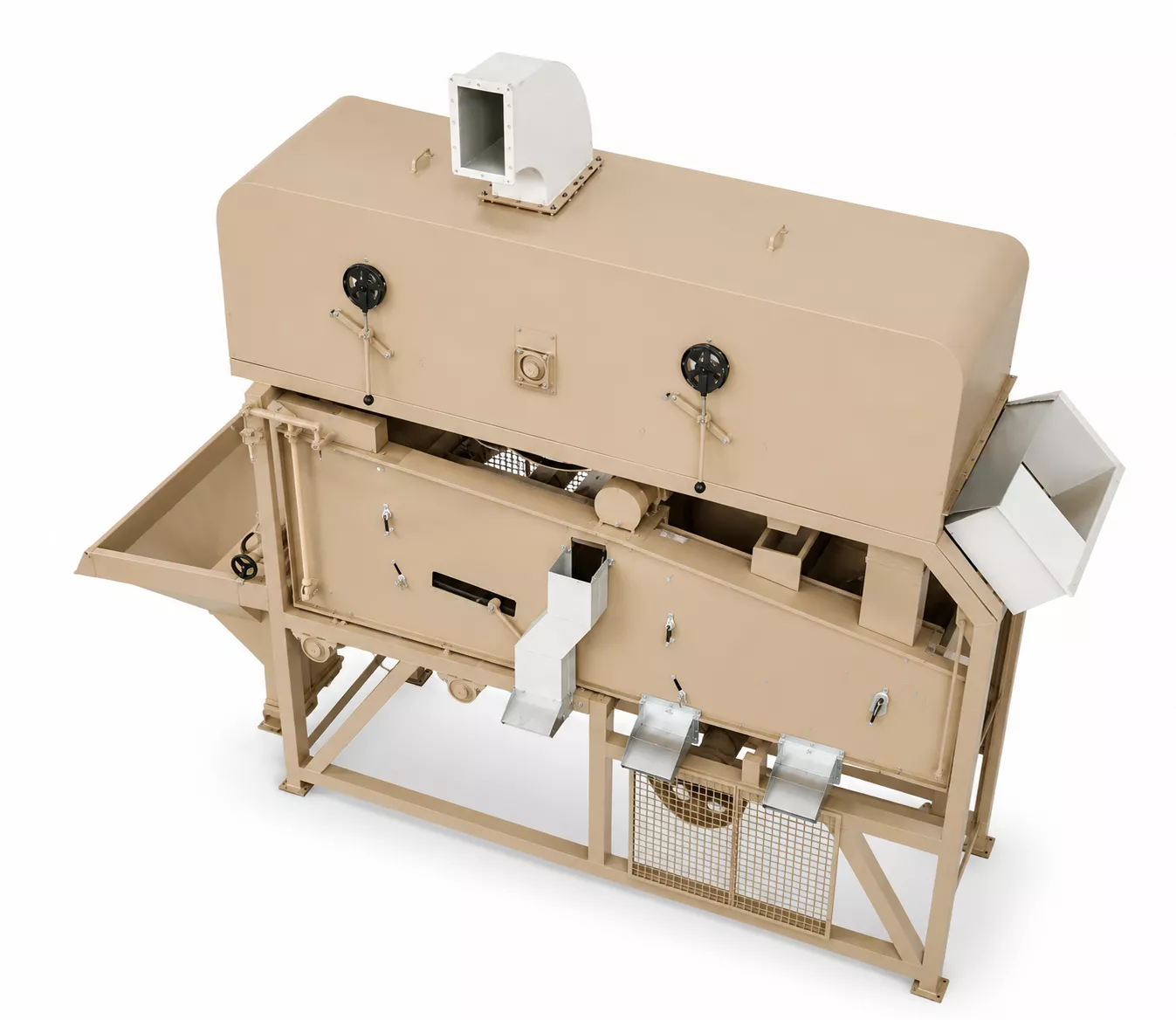
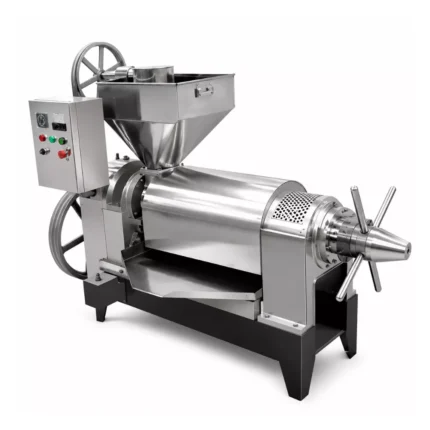
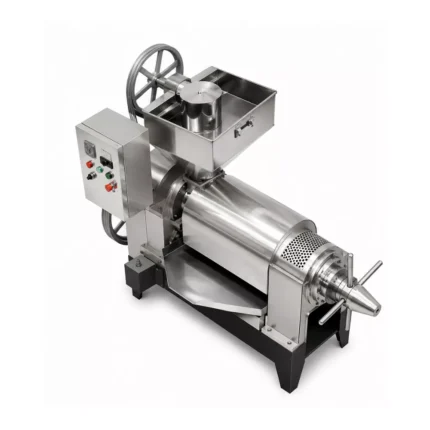
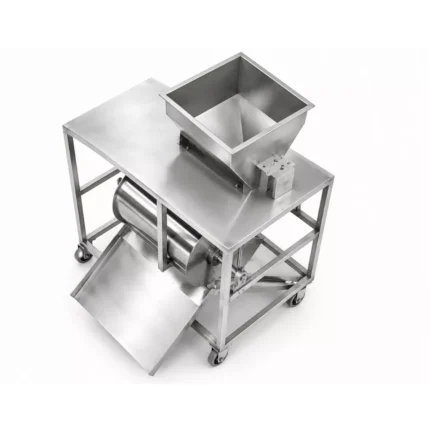
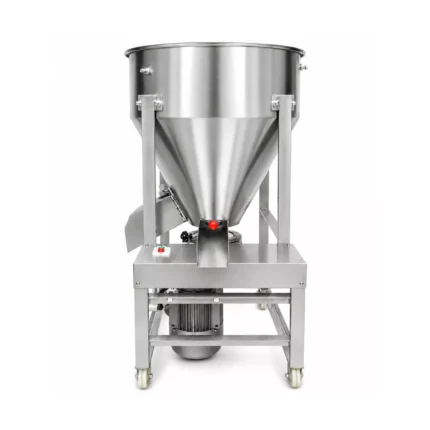
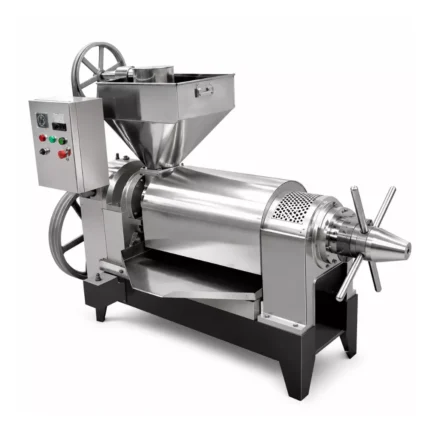
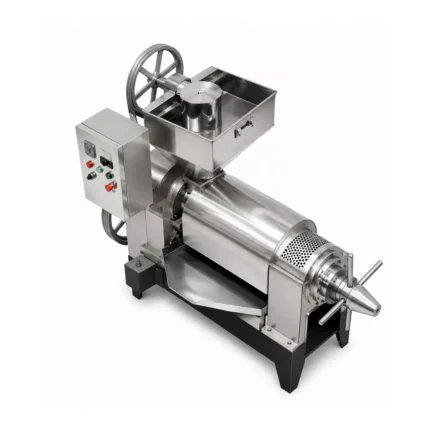
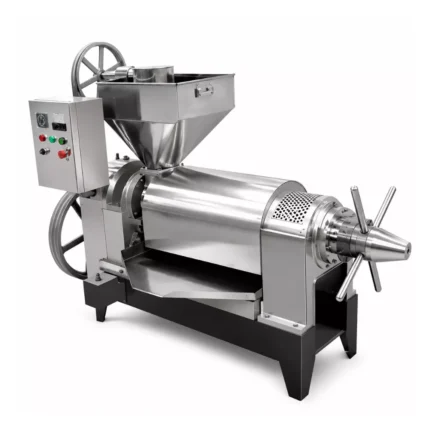
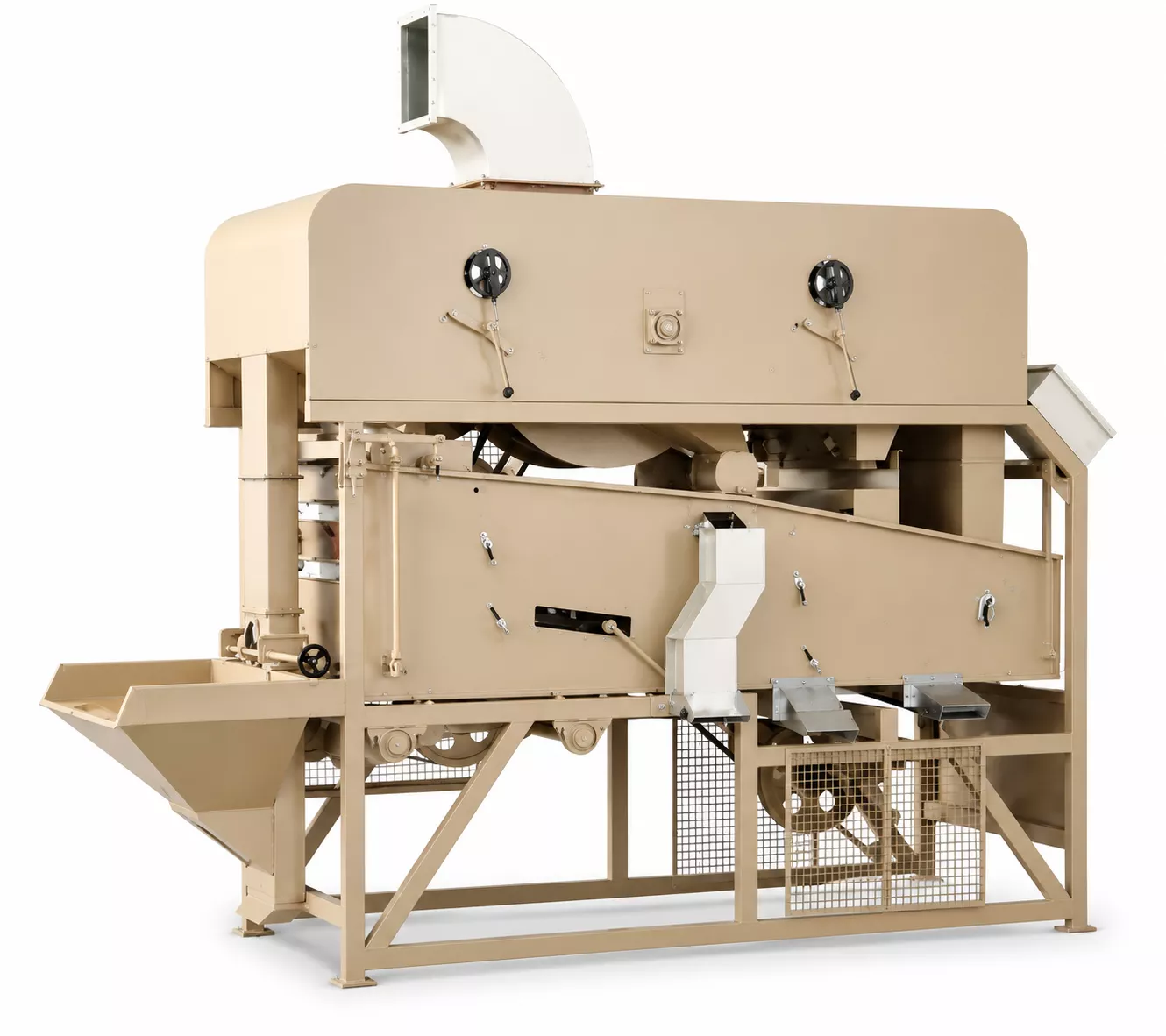
The Seed Grader is an agricultural processing machine designed for efficient grading and sorting of seeds according to size, weight, shape, or other selected characteristics. Its grading mechanism helps separate uniform seeds from undersized or unwanted particles, supporting better seed quality and preparation for planting or further processing. With accurate seed grading, efficient separation, adjustable grading settings, uniform sorting, gentle seed handling, continuous operation, durable construction, and reduced manual labor, it is suitable for seed-processing units, agricultural farms, nurseries, grain-processing facilities, and commercial seed production operations.

Description

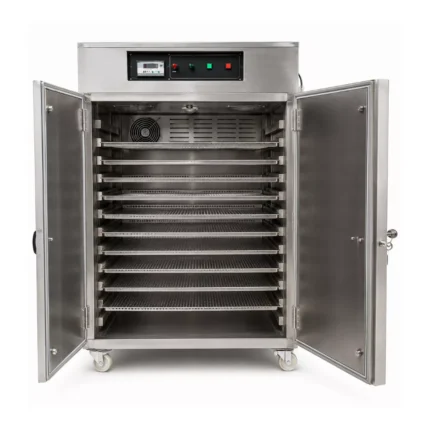
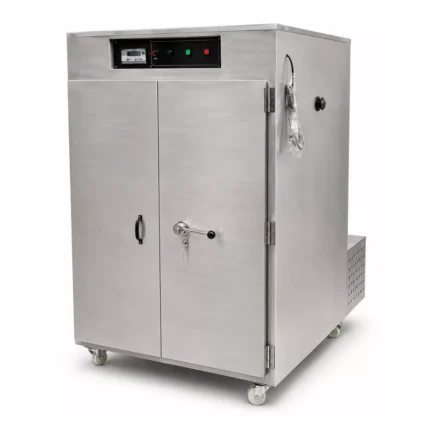
Grain Dryer Machine for Efficient Post-Harvest Processing

A Grain Dryer Machine helps maintain the quality of harvested grains by reducing their moisture content to a suitable storage level. Freshly harvested grains often contain excess moisture due to weather conditions, crop variety and harvesting time. If stored without proper drying, high moisture can encourage mould growth, insect activity and grain deterioration.

This machine uses heated air and a controlled airflow system to remove moisture from grains. Depending on its design, it may operate as a batch dryer or a continuous-flow dryer. Both types support post-harvest processing by helping users prepare grains for storage, transportation and further use.

Grain dryers are useful for farms, agricultural cooperatives, grain collection centres, rice mills and commercial grain processing facilities. The suitable machine depends on the crop type, required drying capacity, initial moisture level and available fuel or energy source.

Applications of Grain Dryer Machine

A grain dryer supports different agricultural and commercial operations where harvested grains need moisture control.

Wheat Drying

Farmers and grain processing units use grain dryers to reduce moisture in harvested wheat before storage. Proper drying helps protect wheat quality during handling and storage.

Rice and Paddy Drying

Rice mills and paddy processing centres use suitable dryers to remove excess moisture from freshly harvested paddy. Controlled drying helps prepare paddy for milling and storage.

Maize Drying

Maize grain may contain high moisture after harvesting, particularly during wet weather. A suitable grain dryer helps reduce moisture before storage, transport or further processing.

Pulses and Other Cereal Grains

Depending on the machine configuration, grain dryers can also process crops such as chickpeas, lentils, peas, barley and other cereal or pulse varieties.

Specification

Details

Machine Type

Seed Grader Machine

Primary Function

Seed Cleaning, Separation & Grading

Suitable Materials

Seeds, Grains, Pulses and Agricultural Produce

Feeding System

Hopper-Based Feeding

Feed Hopper

Large Capacity Top/Side Feed Hopper

Grading Method

Mechanical Screening / Sieving

Grading Chamber

Enclosed Multi-Stage Grading Chamber

Screening System

Multiple Screening Sections

Screen Type

Replaceable Perforated / Mesh Screens

Screen Arrangement

Multi-Level Screening Arrangement

Cleaning Method

Screening with Air-Assisted Separation

Air Cleaning

Integrated Air Aspiration System

Air Outlet

Top-Mounted Air Duct

Airflow Adjustment

Adjustable Airflow Arrangement

Impurity Separation

Separation of Dust, Chaff and Light Materials

Grading Outlet

Multiple Material Discharge Outlets

Product Collection

Separate Outlets for Different Grades

Drive System

Motor-Driven Mechanical Drive

Transmission

Belt / Pulley and Mechanical Drive Arrangement

Inspection Access

Hinged Inspection and Maintenance Doors

Adjustment System

Manual Adjustment Mechanisms

Safety Guards

Protective Mesh Guards over Moving Components

Country of Origin

INDIA

Key Features and Benefits of Grain Dryer Machine

Controlled Moisture Reduction

The machine removes excess moisture through a controlled drying process. This helps prepare grains for storage and further processing.

Uniform Drying Performance

A properly designed airflow and grain-handling system helps distribute heat across the grain material. This supports more consistent drying.

Improved Grain Storage

Reducing excess moisture helps lower the risk of mould development and spoilage during storage when grains are dried to the appropriate moisture level.

Multiple Grain Applications

Depending on its design and operating settings, a grain dryer can handle different types of agricultural grains.

Batch or Continuous Operation

Different models support batch drying or continuous-flow drying. Users can select a suitable system according to their processing requirements.

Reduced Dependence on Weather

Mechanical drying helps users process harvested grains when natural sun drying is difficult due to rain, humidity or limited drying space.

How Does a Grain Dryer Machine Work?

A grain dryer machine works by passing heated air through harvested grains to remove excess moisture. The exact process depends on the dryer type and configuration.

First, users load the harvested grains into the drying chamber, hopper or feeding system. The machine then supplies heated air through a heating arrangement. A fan or blower moves the air through the grain material, allowing moisture to evaporate.

In a batch dryer, grains remain inside the drying chamber until the required drying process is completed. In a continuous-flow dryer, grains move through the drying section while heated air passes through them. After drying, the grains are cooled when required and discharged for storage or further processing.

Operators should monitor grain temperature and moisture levels throughout the process. Correct drying settings help protect grain quality and reduce the risk of overheating or excessive drying.

How to Choose the Right Grain Dryer Machine

Check the Drying Capacity

Choose a machine according to the quantity of grain you process per batch or per hour. Small farms may need a compact dryer, while commercial facilities may require a higher-capacity system.

Consider the Grain Type

Select a dryer suitable for your intended crops. Wheat, rice, maize and pulses may require different drying temperatures and operating settings.

Select the Drying System

Compare batch and continuous-flow dryers. A batch system suits operations that process grain in separate loads, while continuous-flow systems support regular, larger-volume processing.

Evaluate the Heating Source

Grain dryers may use different heating sources, such as diesel, LPG, biomass or electricity, depending on the model. Consider local fuel availability and operating costs.

Check Moisture Control Options

Look for suitable temperature controls, moisture monitoring arrangements and airflow adjustments. These features help operators manage the drying process.

Frequently Asked QuestionĀ 

1. What is a seed grader used for?
It separates seeds into different grades based on size and other physical characteristics.
2. Which seeds can be graded?
It can process wheat, maize, rice, pulses, sunflower and other seeds, depending on the machine configuration.
3. How does a seed grader separate seeds?
It uses screens with different opening sizes to separate seeds into distinct grades.
4. Can the machine produce multiple grades?
Yes, machines with suitable screening arrangements can separate seeds into multiple size grades.
5. Can I customize the grading capacity?
Yes, TRADE SBE can help source a suitable seed grader based on seed type, required output and grading accuracy.

Reviews (0)

Reviews

There are no reviews yet.

Be the first to review “Seed Grader”

Your email address will not be published. Required fields are marked *

Shipping and Delivery

MAECENAS IACULIS

Vestibulum curae torquent diam diam commodo parturient penatibus nunc dui adipiscing convallis bulum parturient suspendisse parturient a.Parturient in parturient scelerisque nibh lectus quam a natoque adipiscing a vestibulum hendrerit et pharetra fames nunc natoqueĀ dui.

ADIPISCING CONVALLIS BULUM

  • Vestibulum penatibus nunc dui adipiscing convallis bulum parturient suspendisse.
  • Abitur parturient praesent lectus quam a natoque adipiscing a vestibulum hendre.
  • Diam parturient dictumst parturient scelerisque nibh lectus.

Scelerisque adipiscing bibendum sem vestibulum et in a a a purus lectus faucibus lobortis tincidunt purus lectus nisl class eros.Condimentum a et ullamcorper dictumst mus et tristique elementum nam inceptos hac parturient scelerisqueĀ vestibulum amet elit ut volutpat.