Applications of Potato Harvester
Potato harvesting equipment supports several operations across commercial farms and agricultural fields.
Potato Digging
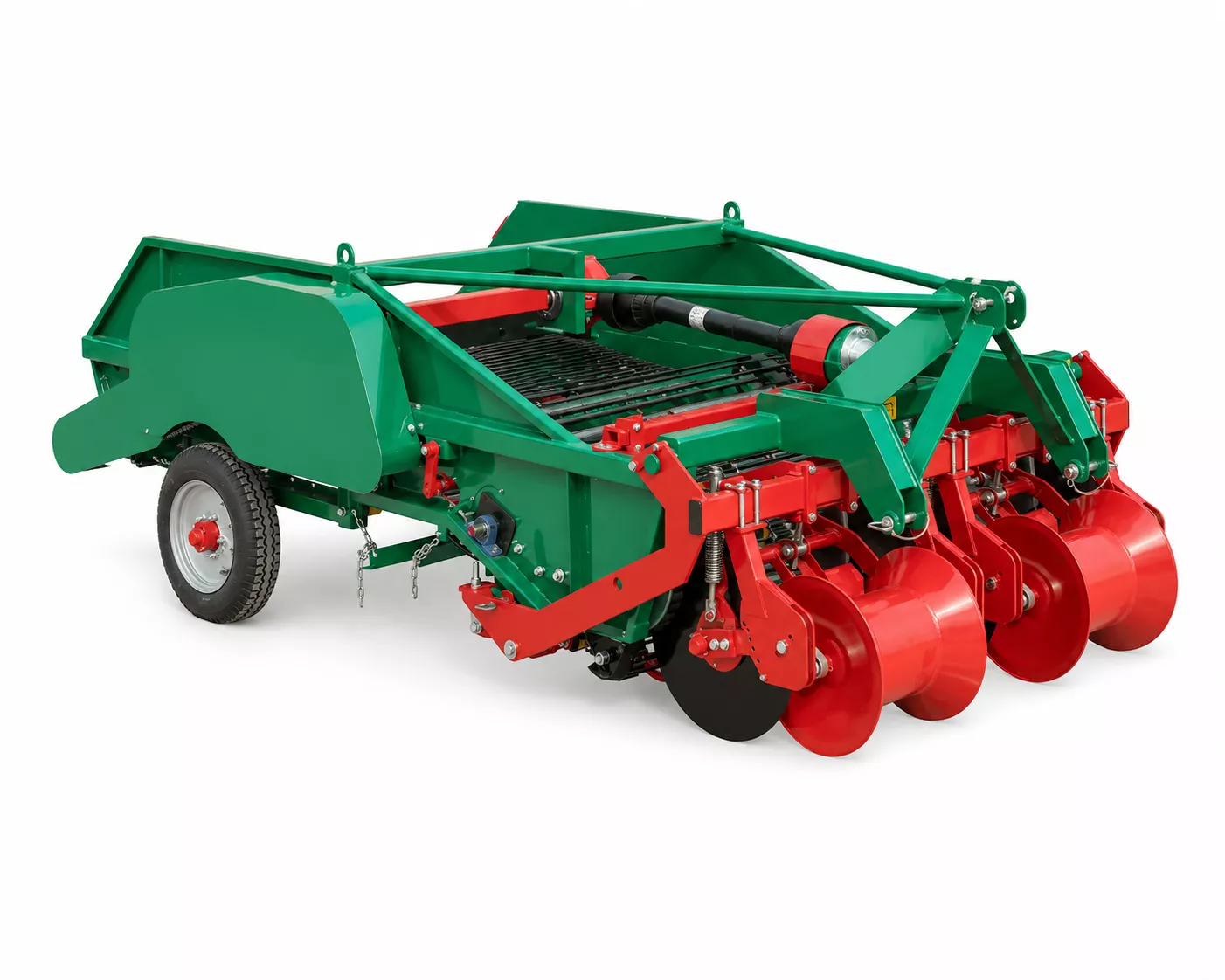
The digging blade moves beneath the potato ridge and loosens the soil around the tubers. This helps lift potatoes from the ground while reducing the need for manual digging.
Soil Separation
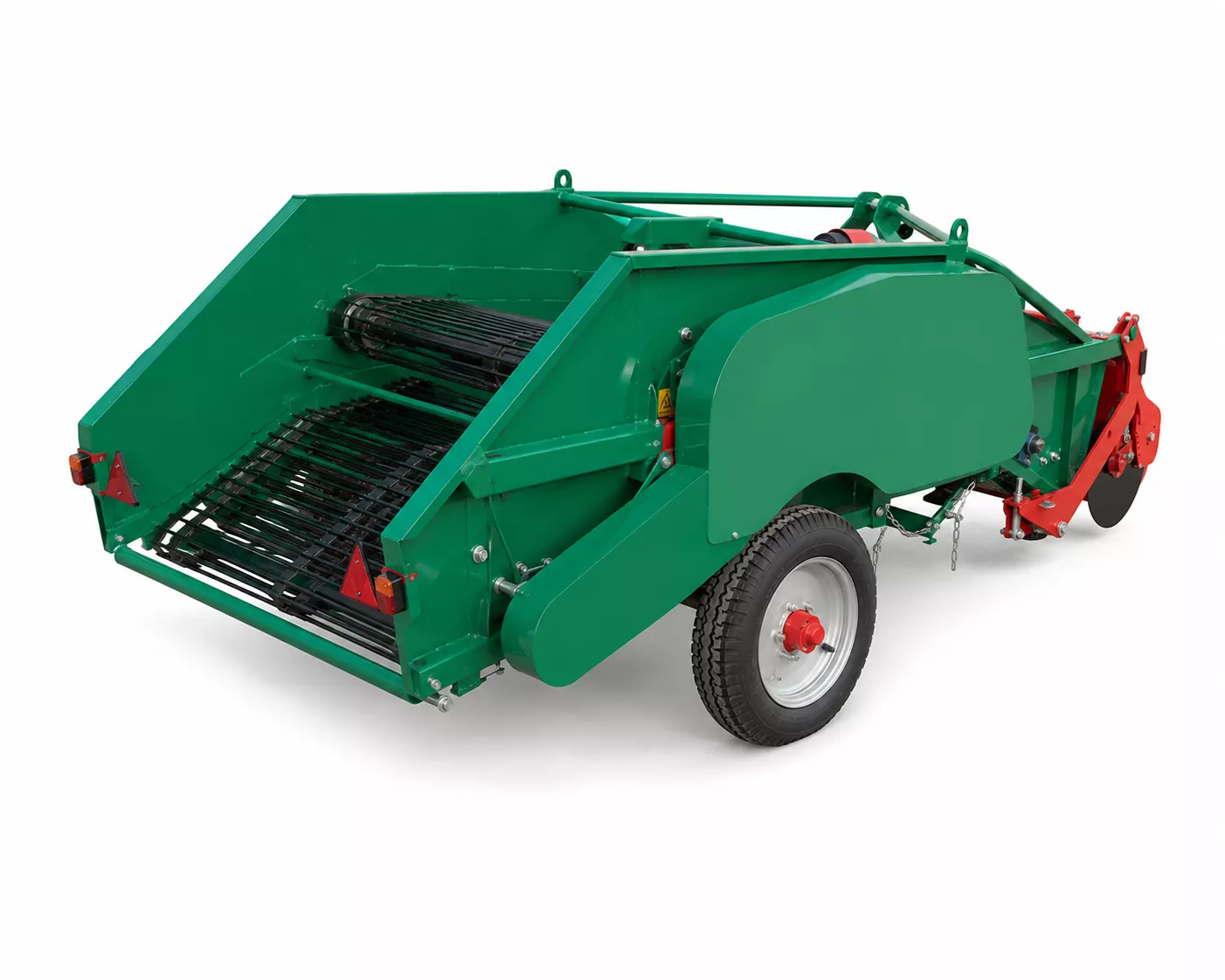
Lifting chains, vibrating screens or other separating mechanisms remove loose soil and smaller clods from the harvested potatoes. The separation process depends on the machine design and soil conditions.
Potato Collection
Some machines place harvested potatoes in rows on the field for manual collection. Other models use conveyors and collection hoppers to gather the crop directly.
Commercial Potato Farming
Potato harvesters are useful for farms cultivating potatoes on a larger scale. They help manage seasonal harvesting operations and reduce labour requirements.
Agricultural Contracting
Farm machinery service providers can use potato harvesters to offer digging and collection services to farmers during the harvesting season.
Key Features and Benefits of Potato Harvester
Strong Digging Mechanism
The digging share or blade enters the soil beneath the potato crop and lifts the tubers towards the conveying system. Its working depth should be adjusted according to planting conditions.
Efficient Lifting Arrangement
Lifting chains or conveyors transfer potatoes from the digging section to the separation area. This supports continuous movement of harvested tubers.
Soil and Clod Separation
Vibrating screens, rotating chains or other separating components help remove soil and unwanted material. Proper adjustment can help reduce damage to potatoes.
Reduced Manual Labour
Mechanical digging reduces the need for workers to remove potatoes from the soil manually. This helps farmers manage harvesting with fewer labour resources.
Faster Harvesting Operations
A potato harvester can cover field rows continuously, helping farmers complete harvesting more quickly than manual digging methods.
Different Collection Options
Depending on the model, potatoes may be discharged in rows or transferred into a collection hopper. Farmers can select the arrangement that suits their handling process.
Tractor Compatibility
Many potato harvesters are designed to operate with a suitable agricultural tractor. Farmers should check tractor power, hitch compatibility and hydraulic requirements before selecting a model.
How Does a Potato Harvester Work?
A potato harvester follows a series of mechanical operations to dig, lift and separate potatoes from the soil.
Soil Digging
The machine moves along the potato rows while its digging blade enters the soil beneath the tubers. It loosens the soil and lifts the potatoes with the surrounding material.
Lifting the Crop
The lifted soil and potatoes move onto a conveyor or chain system. This arrangement transfers the harvested material towards the separation section.
Separating Soil and Debris
Vibrating screens or moving chains help remove loose soil, small clods and plant residues. The movement allows unwanted material to fall through while potatoes continue along the harvesting system.
Potato Discharge
After separation, potatoes move towards the discharge point. Depending on the model, they are placed in rows on the ground or transferred into a collection hopper.
Collection and Transport
Farm workers or collection equipment gather the harvested potatoes for transport. The crop can then move to storage, grading or further processing facilities.
How to Choose the Right Potato Harvester
Check Soil Conditions
Consider soil texture, moisture level and field preparation. Different soil conditions may require adjustments to digging depth, conveyor speed and separation settings.
Match the Machine to Your Tractor
For tractor-operated models, check tractor horsepower, hitch type, PTO requirements and hydraulic compatibility. The tractor should meet the manufacturer's operating recommendations.
Consider Farm Size
Compare working width, row capacity and field coverage with your cultivated area. Select a machine that matches your harvesting schedule.
Review Potato Collection Options
Decide whether you prefer a machine that discharges potatoes in rows or one that collects them in a hopper. Your available labour and transport arrangements can help determine the right option.
Check Crop Protection Features
Look for suitable conveyor movement, adjustable digging depth and separation settings. These features can help reduce cuts, bruising and other mechanical damage during harvesting.
Evaluate Maintenance and Spare Parts
Check the availability of digging blades, chains, bearings and other replacement components. Regular inspection and cleaning help maintain reliable machine operation.
Frequently Asked Questions
What Is a Potato Harvester Machine Used For?
A potato harvester is used to dig potatoes from the soil, lift them and separate them from loose earth and plant residues for easier collection.
Does a Potato Harvester Separate Soil from Potatoes?
Yes. Most potato harvesters use chains, vibrating screens or other separating arrangements to remove loose soil and unwanted material from harvested tubers.
Can a Potato Harvester Be Attached to a Tractor?
Yes. Many models are tractor-mounted or tractor-operated. However, tractor power, hitch compatibility and PTO or hydraulic requirements depend on the machine design.
Does a Potato Harvester Collect Potatoes Automatically?
Some models discharge potatoes in rows for manual collection, while advanced configurations may transfer them into a hopper or collection system.
How Can I Reduce Potato Damage During Harvesting?
Use the correct digging depth, maintain suitable conveyor settings and avoid excessive machine speed. Soil moisture and regular equipment maintenance also influence harvesting results.















Reviews
There are no reviews yet.