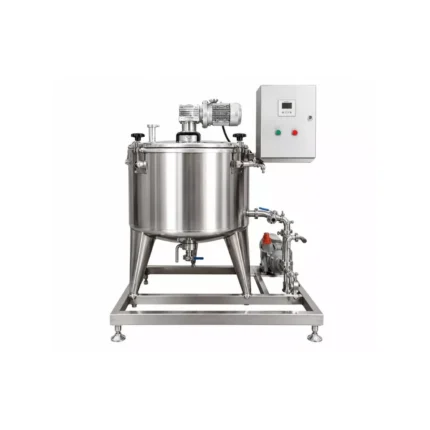
Milk Chilling Plant
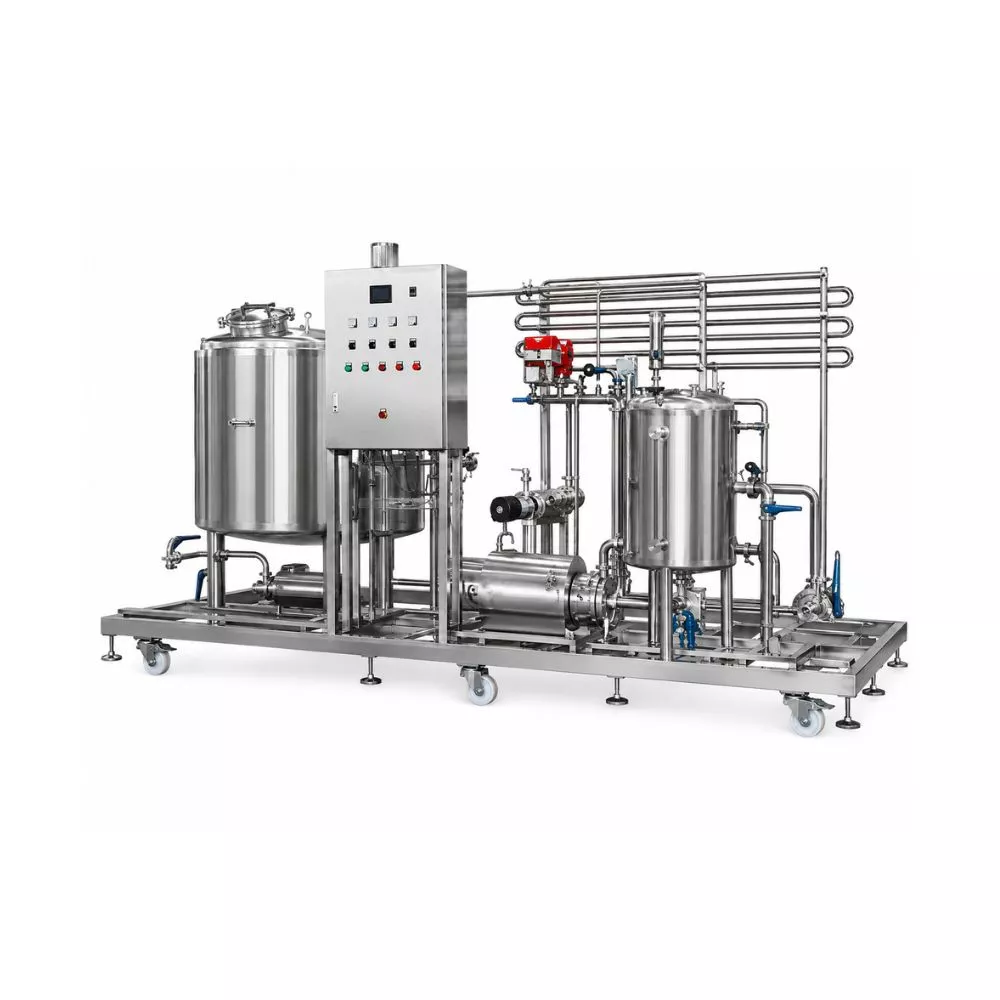
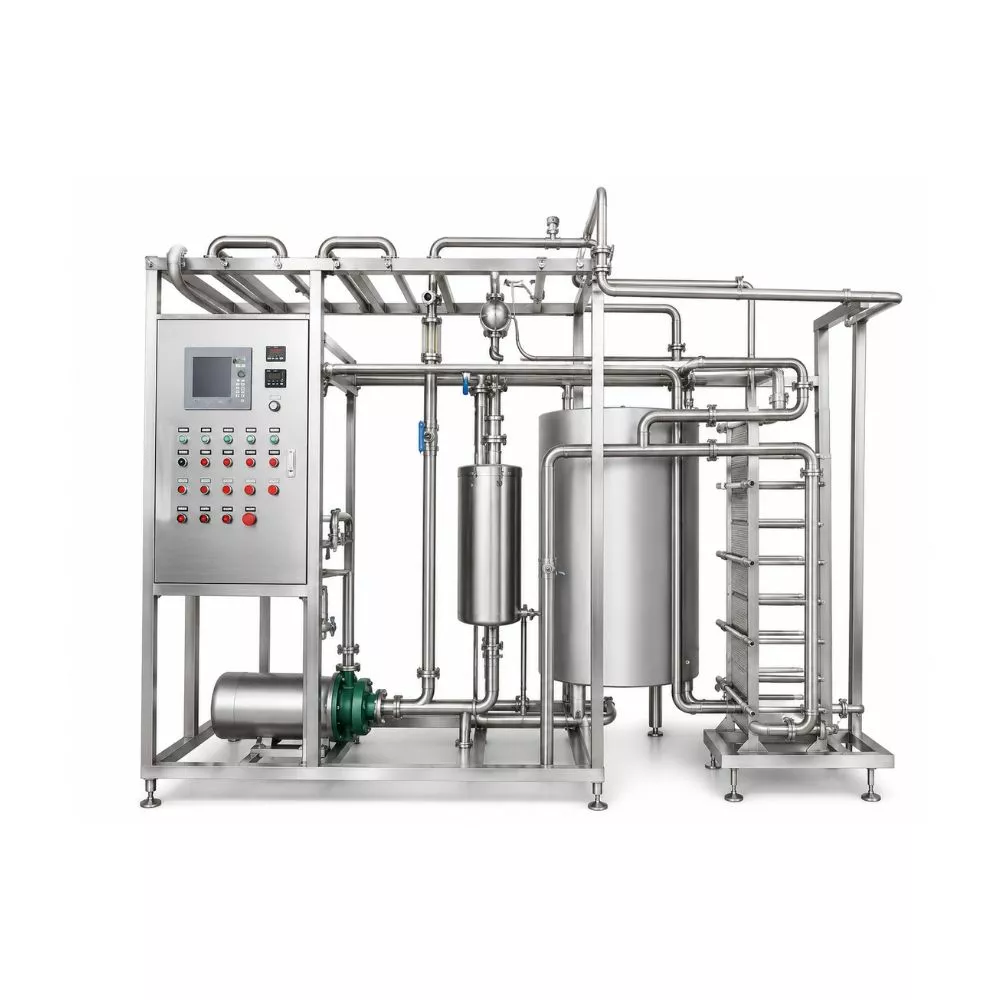
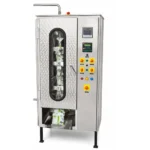
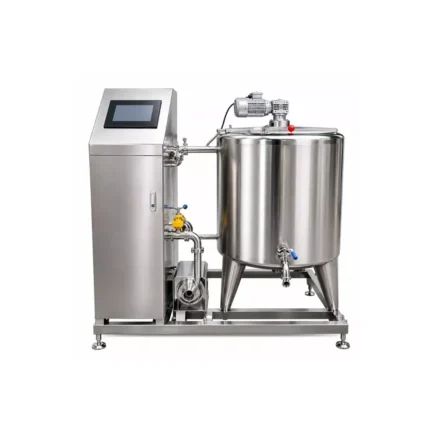
The Milk Chilling Plant is a commercial dairy processing system designed to rapidly reduce the temperature of freshly collected milk and maintain it under controlled chilled conditions before further processing or transportation. Rapid chilling helps preserve milk quality and supports hygienic dairy handling by slowing unwanted microbial growth. The plant can include a milk storage tank, refrigeration system, heat exchanger, circulation pump, chilled-water system, piping, valves, temperature controls, and electrical control panel.
Applications
The Milk Chilling Plant is widely used in dairy farms, milk collection centers, cooperative dairies, milk processing plants, dairy factories, and commercial milk handling facilities. It can be installed at milk collection points or dairy plants before pasteurization, homogenization, cream separation, yogurt production, cheese manufacturing, and other downstream processes.
Key Benefits
The Milk Chilling Plant provides rapid and controlled milk cooling, helping maintain milk quality during storage and transportation. Its automated refrigeration and circulation system supports consistent chilling performance while reducing manual handling. Food-grade stainless-steel product-contact components provide hygienic operation, while insulated tanks and efficient cooling systems help maintain the required milk temperature. The plant can be customized according to milk volume, chilling time, ambient conditions, available utilities, and dairy processing requirements.
Construction & Operation
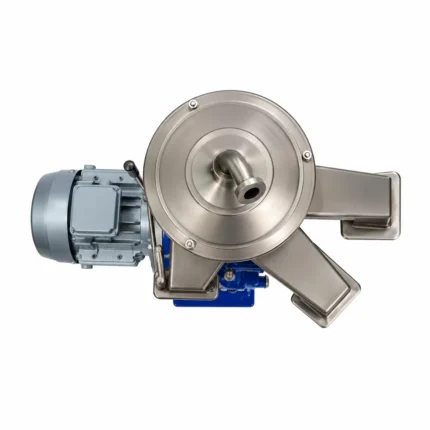
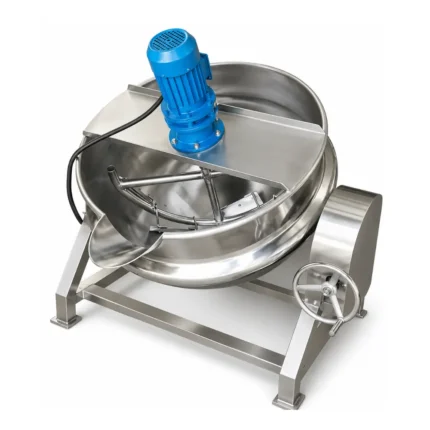
The plant generally consists of a stainless-steel milk storage tank, refrigeration unit, plate or tubular heat exchanger, chilled-water circuit, pumps, sanitary piping, valves, temperature sensors, control panel, and insulated components. Fresh milk enters the system and passes through the cooling section, where heat is removed using a suitable refrigeration medium or chilled-water circuit. The cooled milk is then transferred to the insulated storage tank and maintained at the required temperature until further processing or dispatch.
|
Specification |
Details |
Machine Type |
Milk Chilling Plant |
|---|---|
|
Application |
Rapid cooling and preservation of raw milk after collection |
|
Plant Type |
Automatic / Semi-Automatic Milk Chilling System |
|
Cooling Method |
Chilled Water / Glycol Cooling |
|
Cooling System |
Plate Heat Exchanger / Tubular Heat Exchanger |
|
Milk Cooling Temperature |
Typically down to 4°C |
|
Refrigeration System |
Industrial refrigeration compressor with condenser & evaporator |
|
Milk Storage |
Optional insulated milk storage/chilling tank |
|
Milk Pump |
Sanitary centrifugal milk pump |
|
Heat Exchanger |
SS sanitary plate heat exchanger |
|
Piping |
Hygienic SS sanitary piping |
|
Temperature Control |
Digital temperature controller with RTD sensors |
|
Power Supply |
3 Phase, 380ā440 V, 50 Hz (customizable) |
|
Automation |
Semi-Automatic / Fully Automatic |
|
Cleaning |
Easy-to-clean product-contact components |
|
Maintenance |
Low-maintenance design |
|
Country of Origin |
India |
FAQ
1. What is a Milk Chilling Plant?
A Milk Chilling Plant is a dairy system designed to rapidly cool freshly collected milk and maintain it at a controlled chilled temperature.
2. Why is milk chilling important?
Rapid chilling helps preserve milk quality and slows unwanted microbial growth before the milk is transported or processed further.
3. Where is a Milk Chilling Plant used?
It is used in dairy farms, milk collection centers, cooperative dairies, milk processing plants, and commercial dairy facilities.
4. What equipment is included in a Milk Chilling Plant?
Depending on the configuration, it can include a milk tank, refrigeration system, heat exchanger, pumps, chilled-water system, sanitary piping, valves, sensors, and control panel.
5. Can the chilling capacity be customized?
Yes, plant capacity, tank volume, refrigeration capacity, cooling time, heat exchanger size, and automation level can be customized according to the customer's requirements.
6. What material is used for milk-contact parts?
Milk-contact components can be manufactured from food-grade stainless steel, with the required grade selected according to the application.
7. Can the plant be integrated with other dairy equipment?
Yes, it can be integrated with milk reception systems, storage tanks, pasteurizers, homogenizers, cream separators, yogurt plants, cheese plants, and filling systems.
8. Is the Milk Chilling Plant suitable for continuous dairy operations?
Yes, the system can be designed for continuous milk reception and chilling according to the required processing capacity and operating conditions.
MAECENAS IACULIS
Vestibulum curae torquent diam diam commodo parturient penatibus nunc dui adipiscing convallis bulum parturient suspendisse parturient a.Parturient in parturient scelerisque nibh lectus quam a natoque adipiscing a vestibulum hendrerit et pharetra fames nunc natoqueĀ dui.
ADIPISCING CONVALLIS BULUM
- Vestibulum penatibus nunc dui adipiscing convallis bulum parturient suspendisse.
- Abitur parturient praesent lectus quam a natoque adipiscing a vestibulum hendre.
- Diam parturient dictumst parturient scelerisque nibh lectus.
Scelerisque adipiscing bibendum sem vestibulum et in a a a purus lectus faucibus lobortis tincidunt purus lectus nisl class eros.Condimentum a et ullamcorper dictumst mus et tristique elementum nam inceptos hac parturient scelerisqueĀ vestibulum amet elit ut volutpat.

Reviews
There are no reviews yet.