Pneumatic Conveyor

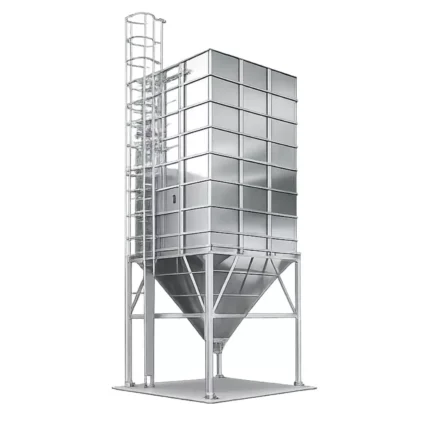
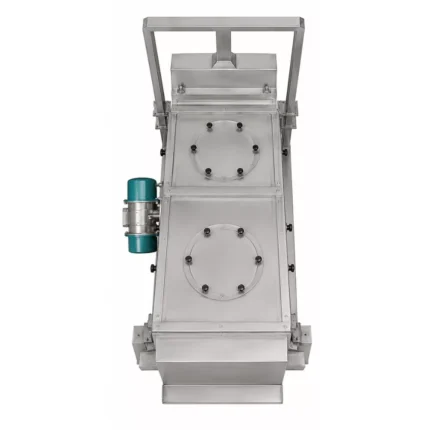
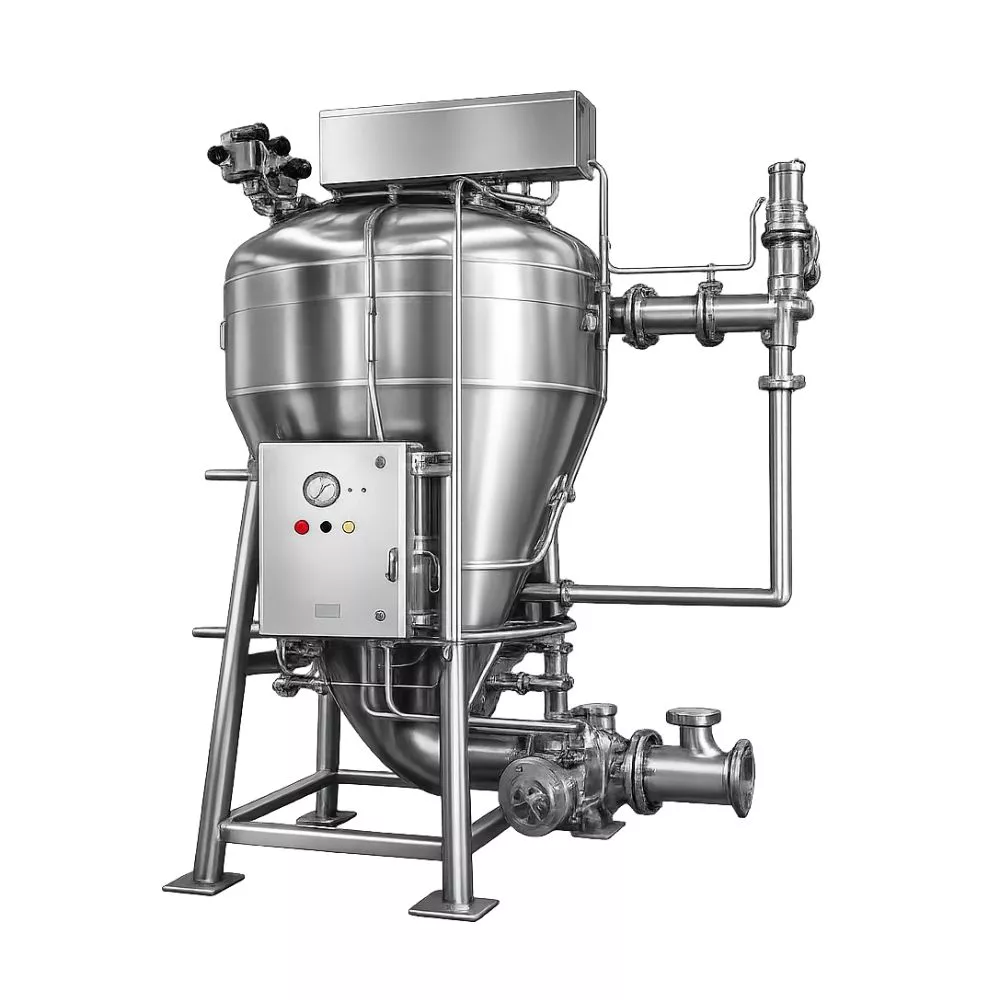
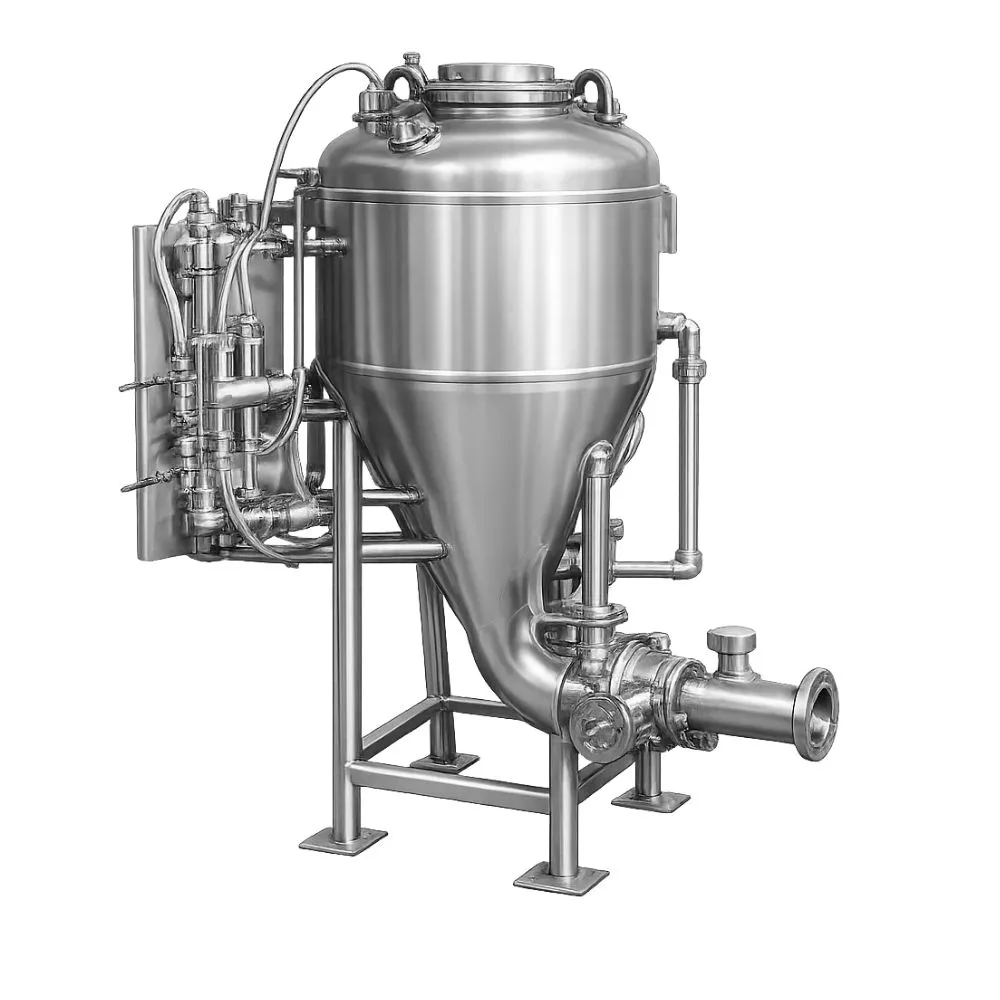
The Pneumatic Conveyor from TRADE SBE is designed to transport powders, granules and other suitable bulk materials through enclosed pipelines using controlled airflow or vacuum. It helps transfer materials between storage vessels, processing equipment and packaging systems while reducing manual handling and material spillage. Depending on the configuration, pneumatic conveying systems can be used for conveying flour, spices, food ingredients, plastic granules and various industrial powders. The system is suitable for food processing plants, pharmaceutical facilities and industrial production units.

Description

Product Applications

The Pneumatic Conveyor is suitable for food processing industries, flour mills, spice grinding plants, bakery ingredient production facilities, pharmaceutical processing units and chemical manufacturing industries. It can be used to transfer flour, sugar, spice powders, starch, milk powder, plastic granules and other compatible bulk materials between silos, hoppers, mixers, dryers and packaging machines. Depending on the system design, it supports hygienic material handling, enclosed transportation and efficient integration into automated production lines.

Key Benefits

  • Enclosed Material Transfer: Helps convey powders and granules through pipelines with reduced exposure to the surrounding environment.

  • Reduced Manual Handling: Minimizes the need for manual material transportation.

  • Flexible Installation: Pipeline layouts can be designed to suit different factory configurations.

  • Improved Housekeeping: Helps reduce material spillage during transfer when properly sealed.

  • Automation Compatibility: Can be integrated with hoppers, mixers, silos and packaging equipment.

  • Versatile Applications: Suitable for compatible food, pharmaceutical and industrial materials.

  • Export Support: TRADE SBE provides international machinery supply, export packing, shipping assistance and relevant trade documentation.

Working Operation

  • Material Feeding: The material enters the conveying system through a designated hopper or feeding point.

  • Airflow Generation: A blower, vacuum pump or other suitable equipment creates the airflow or pressure difference required for conveying.

  • Material Conveying: The material moves through the pipeline toward the receiving point.

  • Material Separation: At the receiving vessel, a suitable separator or filter separates the conveyed material from the transporting air.

  • Material Discharge: The transferred material is discharged into a hopper, silo or connected processing machine.

  • Air Filtration: Filters help retain fine particles and manage exhaust air according to the system design.

The conveying distance, capacity and suitable material type depend on the system configuration, material density, particle characteristics and pipeline layout.

Specification

Ā Details

Machine Type

Pneumatic Powder Conveyor

Application

Flour, powder and dry food-product conveying

Conveying Method

Vacuum / Pneumatic Conveying

Material Contact Parts

Food-Grade Stainless Steel

Main Material

SS 304 / SS 316

Feeding System

Vacuum Suction

Discharge System

Automatic / Pneumatic Discharge

Operation

Continuous / Automatic

Control

Pneumatic / Electrical Control

Conveying Capacity

Customizable as per product and distance

Conveying Distance

According to plant layout

Suitable Products

Flour, sugar, starch, milk powder, spices and other powders

Construction

Hygienic Stainless-Steel Construction

Power Supply

220–240 V / 380–415 V, 50 Hz

Packing

Export wooden case / seaworthy packing

Maintenance

Low-maintenance design

Country of Origin

India

FAQ

1. What is a Pneumatic Conveyor used for?
A Pneumatic Conveyor is used to transport powders, granules and suitable bulk materials through enclosed pipelines using airflow or vacuum.
2. Which materials can be transported by a Pneumatic Conveyor?
Depending on the design, it can convey flour, sugar, spices, starch, milk powder, plastic granules and other compatible materials.
3. What is the difference between vacuum and pressure conveying?
Vacuum conveying draws material toward the receiving point, while pressure conveying pushes material through pipelines using compressed or pressurized air. The appropriate system depends on the application.
4. Can a Pneumatic Conveyor be used in the food industry?
Yes, suitable systems can handle food powders and ingredients. Material-contact surfaces, filtration and hygiene requirements should be confirmed according to the product being conveyed.
5. Can the system be connected to packaging machines?
Yes, a compatible conveying system can transfer material to packaging machines, hoppers and other processing equipment.
6. Can the conveying capacity be customized?
The system can be selected or configured according to required capacity, conveying distance, material characteristics and factory layout. Contact TRADE SBE to discuss your requirements.
7. Does TRADE SBE export Pneumatic Conveyor systems internationally?
Yes, TRADE SBE supports international machinery supply, export packing, shipping coordination and relevant export documentation. FOB and CIF terms can be discussed according to the destination.
8. How can I request a quotation?
Share your material type, required conveying capacity, transfer distance, installation layout and destination country with TRADE SBE to request a suitable quotation.

Reviews (0)

Reviews

There are no reviews yet.

Be the first to review “Pneumatic Conveyor”

Your email address will not be published. Required fields are marked *

Shipping and Delivery

MAECENAS IACULIS

Vestibulum curae torquent diam diam commodo parturient penatibus nunc dui adipiscing convallis bulum parturient suspendisse parturient a.Parturient in parturient scelerisque nibh lectus quam a natoque adipiscing a vestibulum hendrerit et pharetra fames nunc natoqueĀ dui.

ADIPISCING CONVALLIS BULUM

  • Vestibulum penatibus nunc dui adipiscing convallis bulum parturient suspendisse.
  • Abitur parturient praesent lectus quam a natoque adipiscing a vestibulum hendre.
  • Diam parturient dictumst parturient scelerisque nibh lectus.

Scelerisque adipiscing bibendum sem vestibulum et in a a a purus lectus faucibus lobortis tincidunt purus lectus nisl class eros.Condimentum a et ullamcorper dictumst mus et tristique elementum nam inceptos hac parturient scelerisqueĀ vestibulum amet elit ut volutpat.