Applications of Drip Irrigation System
A drip irrigation setup supports different agricultural activities where controlled water distribution is important.
Vegetable Farming
Farmers use drip irrigation for tomatoes, potatoes, onions, chillies, cucumbers, capsicum and other vegetables. It supplies water near plant roots and supports regular moisture management throughout crop development.
Fruit Orchards and Plantations
Fruit farms growing mangoes, citrus fruits, guavas, bananas and pomegranates can use drip lines to deliver water around individual plants. Farmers can select suitable emitter arrangements according to plant spacing and water requirements.
Greenhouse Farming
Greenhouse operators use drip irrigation to supply controlled water to vegetables, flowers and other protected crops. It helps manage irrigation according to the growing environment and plant requirements.
Commercial Agriculture
Large agricultural farms can use drip irrigation networks for crops such as cotton, sugarcane and other suitable field crops. Proper system design helps distribute water across different field sections.
Key Features and Benefits of Drip Irrigation System
A properly designed irrigation network offers several advantages for agricultural water management.
Controlled Water Distribution
Drippers release water at controlled flow rates near plant roots. This allows farmers to manage irrigation according to crop requirements.
Reduced Water Wastage
The system applies water directly to the soil around plants. It can reduce water losses from surface runoff and evaporation compared with some conventional irrigation methods.
Fertigation Support
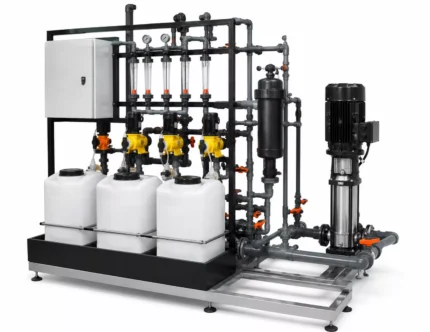
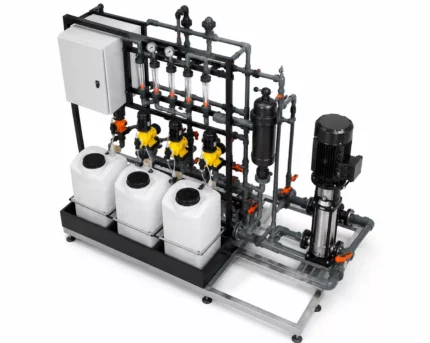
A suitable fertilizer injector or fertigation unit allows farmers to introduce compatible dissolved fertilizers into the irrigation network. This helps distribute nutrients through the watering system.
Reduced Weed Growth
Since water is applied mainly around the crop root zone, some areas between plants remain relatively dry. This can help limit weed growth in those areas.
Flexible Irrigation Management
Farmers can divide their fields into irrigation zones and control water delivery through valves. Optional controllers and timers can also support automated irrigation schedules.
Suitable for Different Farm Layouts
Farmers can arrange mainlines, sub-mainlines and drip laterals according to field dimensions, crop spacing and land conditions.
How Does a Drip Irrigation System Work?
A drip irrigation system operates through a network that carries water from its source to individual plants. Each component performs a specific function during irrigation.
Water Supply and Pumping
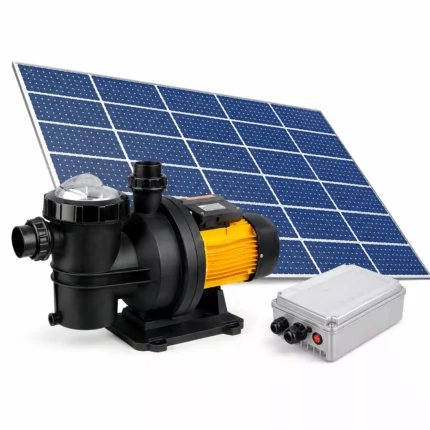
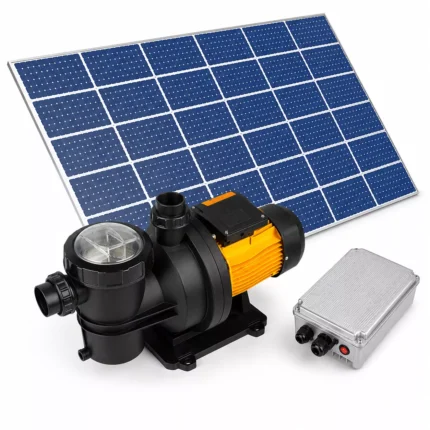
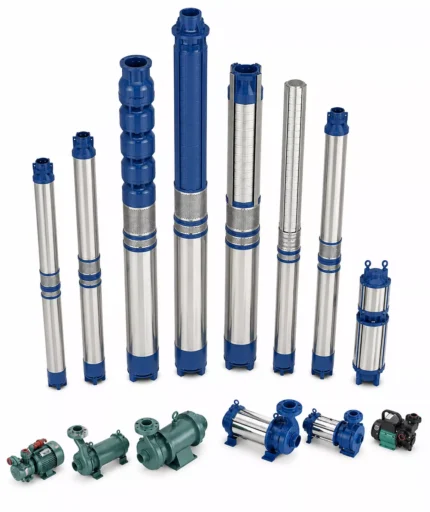
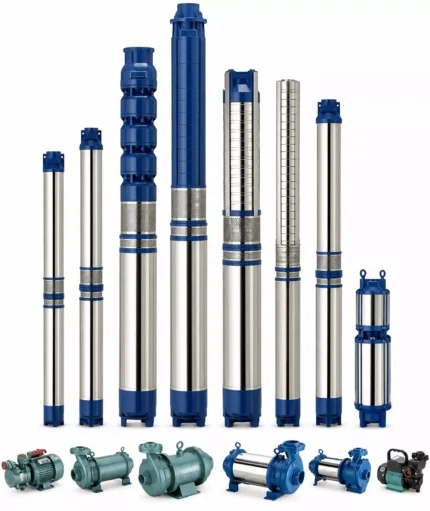
Water comes from a suitable source, such as a storage tank, borewell or other available supply. A pump provides the required pressure when necessary.
Water Filtration
The filtration unit removes suspended particles and other impurities that could block small emitter openings. Suitable filtration depends on water quality and system requirements.
Pressure Regulation
Pressure regulators and control valves help maintain suitable operating conditions throughout the irrigation network.
Water Distribution
Mainlines carry water towards the field, while sub-mainlines distribute it into smaller lateral pipes. These drip lines supply water along crop rows.
Dripping at Plant Roots
Emitters release water slowly near individual plants. Farmers can adjust irrigation duration and scheduling according to crop water requirements.
How to Choose the Right Drip Irrigation System
Selecting a suitable system requires an understanding of farm conditions, crop requirements and water availability.
Crop Type and Plant Spacing
Choose suitable drip lines and emitter arrangements according to crop varieties, plant spacing and root-zone requirements.
Farm Size and Field Layout
Consider the total cultivated area, field shape, row length and irrigation zones before selecting pipe sizes and system configuration.
Water Source and Quality
Check water availability, suspended particles, dissolved minerals and other impurities. Select suitable filtration equipment to reduce emitter blockage.
Emitter Flow Rate
Choose emitter discharge according to soil type, plant requirements and irrigation scheduling. Pressure-compensating emitters may help maintain more consistent discharge where pressure or elevation varies.
Automation Requirements
Consider manual valves, automatic valves, timers and irrigation controllers according to farm size and operating preferences.
Frequently Asked Questions About Drip Irrigation System
What is a drip irrigation system?
A drip irrigation system is an agricultural watering method that delivers water slowly near plant roots through pipes, drip lines and small emitters.
Which crops are suitable for drip irrigation?
Vegetables, fruit trees, orchards, greenhouse crops and several commercial field crops can use drip irrigation with suitable system design.
Does drip irrigation help save water?
Yes. It can reduce water losses by delivering water close to plant roots and limiting unnecessary wetting of other areas.
What are the main components of a drip irrigation system?
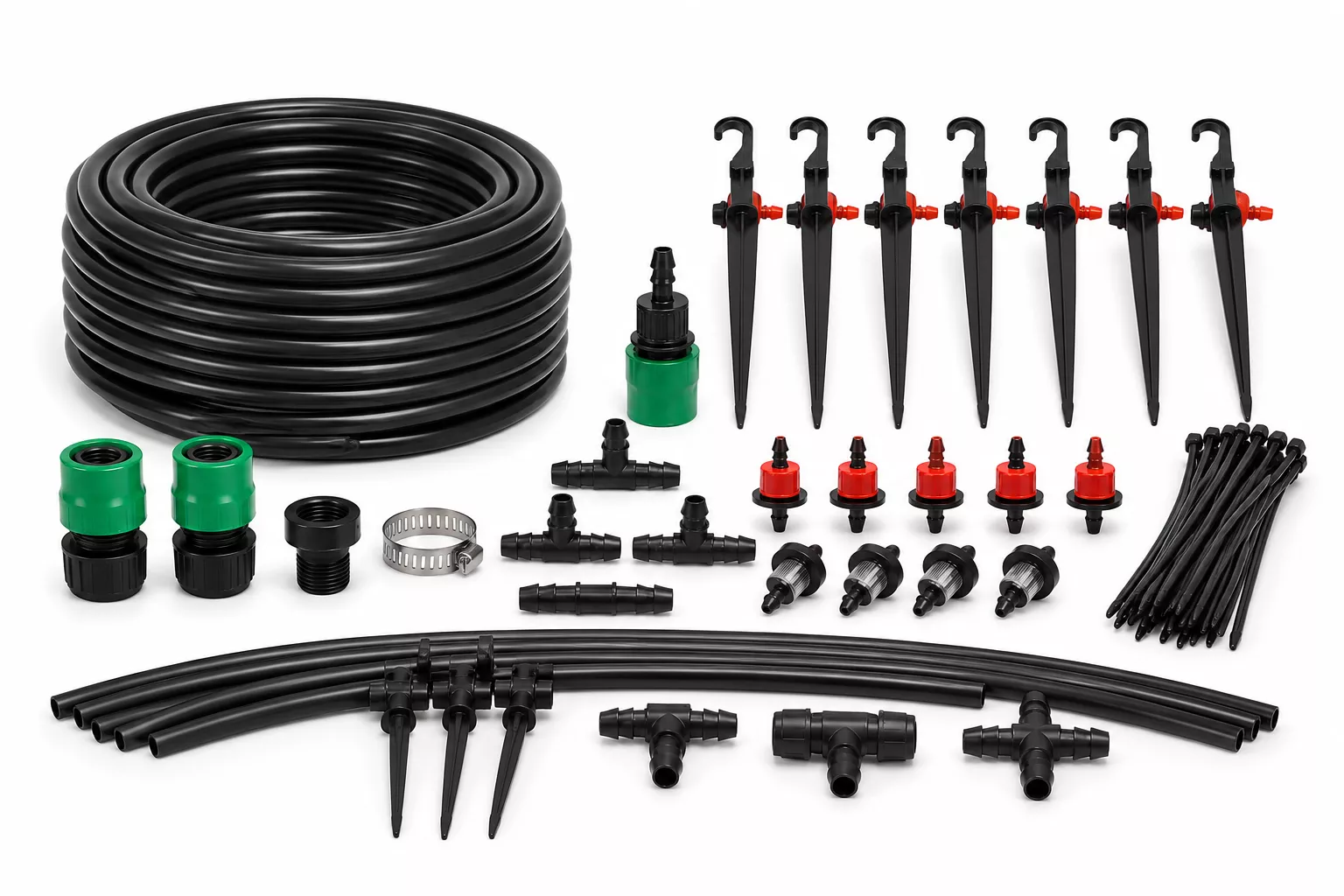
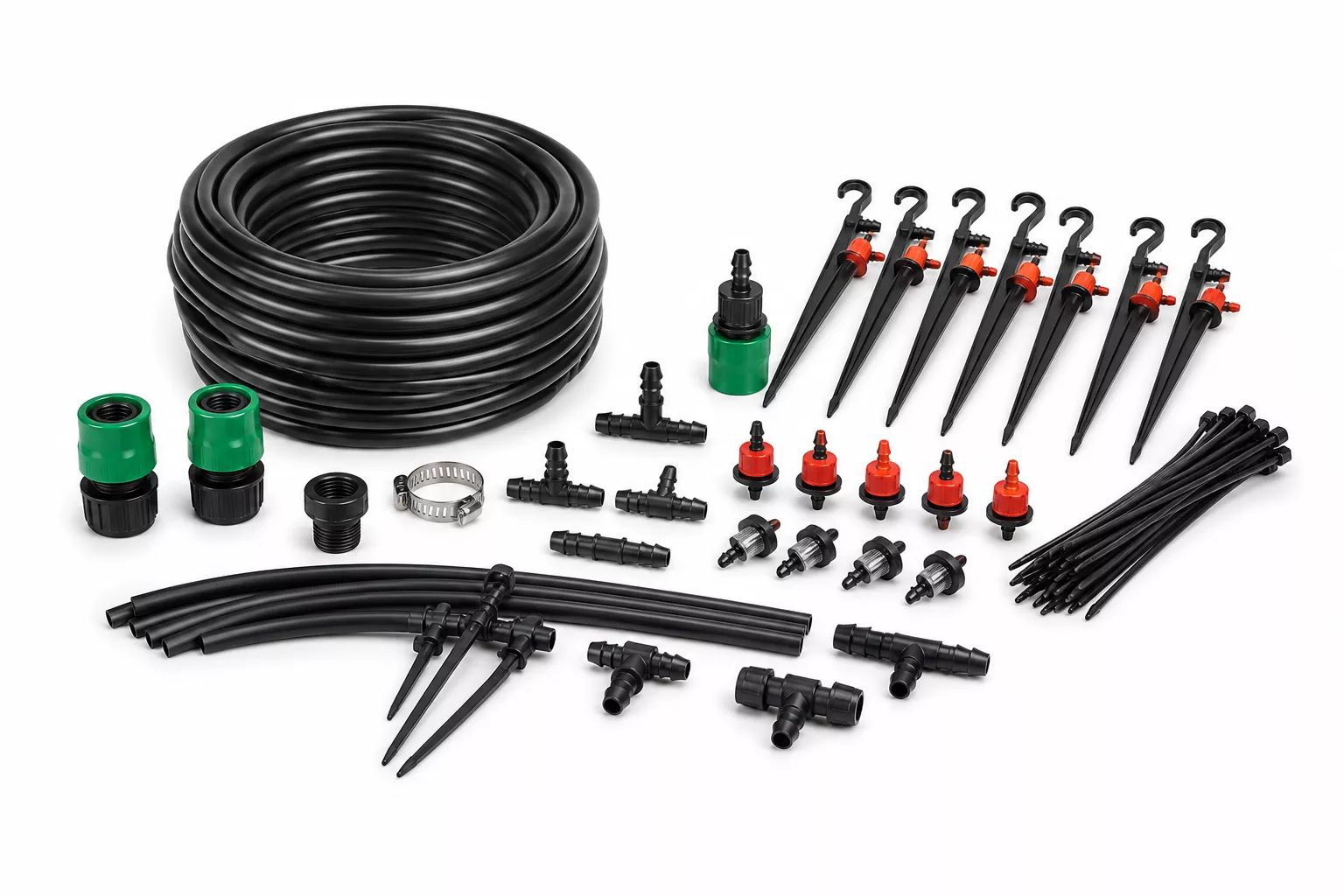
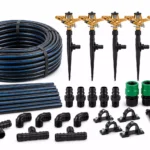
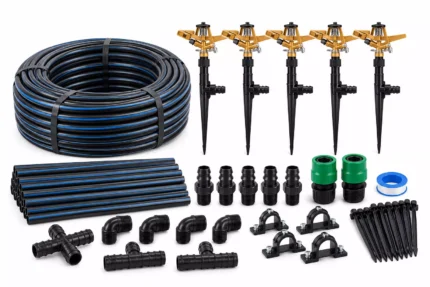
The main components include a pump, filters, pressure regulators, mainlines, sub-mainlines, lateral pipes, emitters, valves and suitable fittings. A fertigation unit can also be included.
Does a drip irrigation system require regular maintenance?
Yes. Farmers should clean filters, flush irrigation lines, inspect emitters, check pressure and repair damaged pipes to maintain proper water distribution.
Can fertilizers be applied through drip irrigation?
Yes. A compatible fertigation unit can introduce suitable water-soluble fertilizers into the irrigation network.















Reviews
There are no reviews yet.