Applications of Sprinkler Irrigation System
A sprinkler irrigation setup supports various farming activities where overhead water distribution is suitable.
Vegetable Farming
Farmers use sprinkler systems for crops such as onions, potatoes, leafy vegetables, carrots and other suitable vegetables. The spray arrangement distributes water across planted areas and supports regular soil moisture management.
Cereal and Pulse Cultivation
Sprinkler irrigation is suitable for several field crops, including wheat, maize, pulses and other cereals. Farmers can select sprinkler spacing and discharge according to crop requirements and field conditions.
Fruit Farms and Plantations
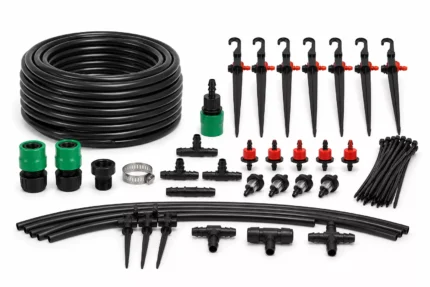
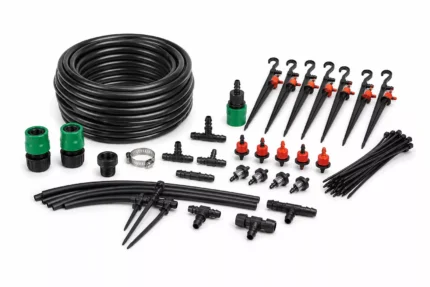
Suitable sprinkler configurations can irrigate orchards, plantations and other agricultural areas. Micro sprinklers can provide localized watering around selected plants.
Nurseries and Greenhouses
Micro sprinkler systems support irrigation in plant nurseries, seedling production areas and suitable greenhouse applications. They distribute fine water sprays across growing areas.
Commercial Agricultural Fields
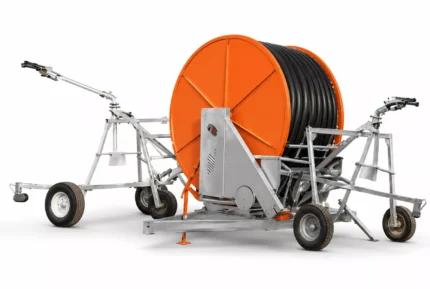
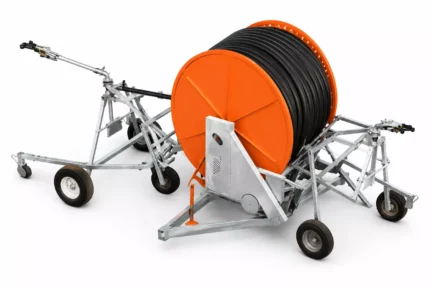
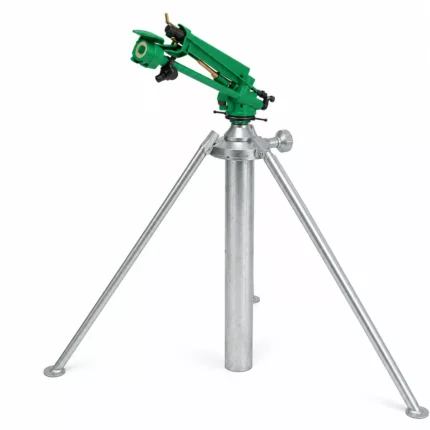
Large farms can use portable sprinkler networks, rain guns, center pivot systems and other suitable arrangements to irrigate wider agricultural areas.
Key Features and Benefits of Sprinkler Irrigation System
A properly selected sprinkler irrigation network offers several advantages for agricultural water management.
Uniform Water Distribution
Sprinkler heads distribute water over a designated area. Proper nozzle selection, operating pressure and sprinkler spacing help maintain consistent irrigation coverage.
Artificial Rainfall Application
The system sprays water into the air, allowing droplets to fall over crops and soil. This method provides rainfall-like irrigation without requiring surface flooding.
Flexible Field Installation
Portable sprinkler pipes can be shifted between field sections. Semi-permanent and fixed installations offer different arrangements according to farm requirements.
Suitable for Different Crops
Farmers can select suitable sprinkler types for vegetables, cereals, pulses, fodder crops, nurseries and other agricultural applications.
Controlled Irrigation Scheduling
Valves and optional irrigation controllers allow farmers to manage water delivery across different field sections. This supports organized irrigation schedules.
Support for Uneven Land
Sprinkler systems can irrigate suitable undulating fields where conventional surface irrigation may be difficult. Proper pressure and system design remain important.
Multiple Sprinkler Configurations
Farmers can choose portable sprinklers, mini sprinklers, micro sprinklers, fixed systems or large-volume rain guns according to the required coverage.
How Does a Sprinkler Irrigation System Work?
A sprinkler irrigation system operates by carrying pressurized water from its source through a pipeline network and distributing it through sprinkler heads.
Water Supply and Pumping
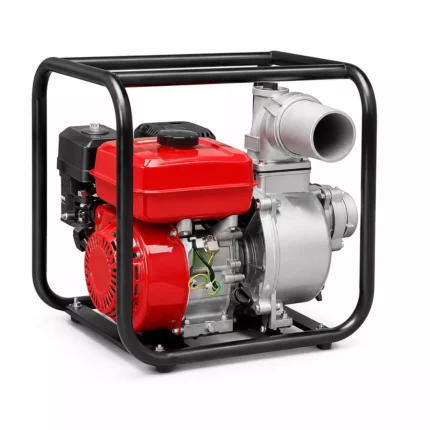
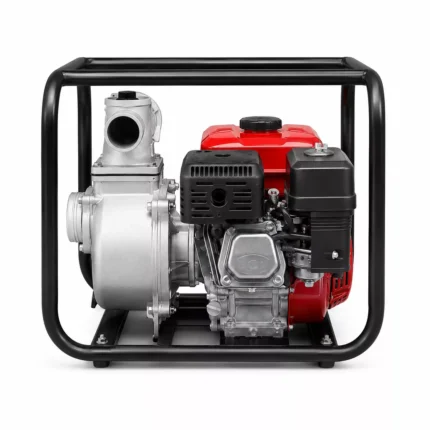
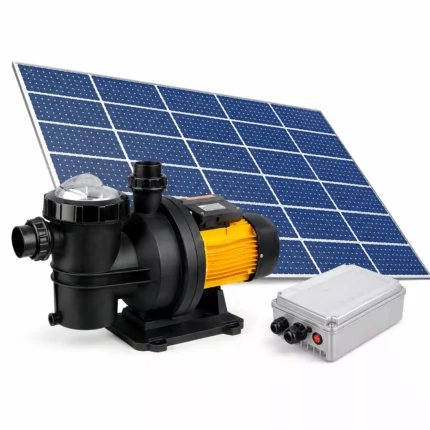
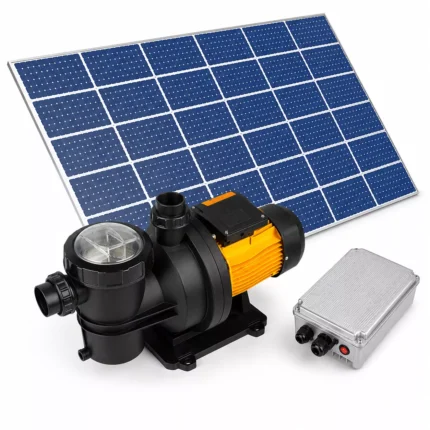
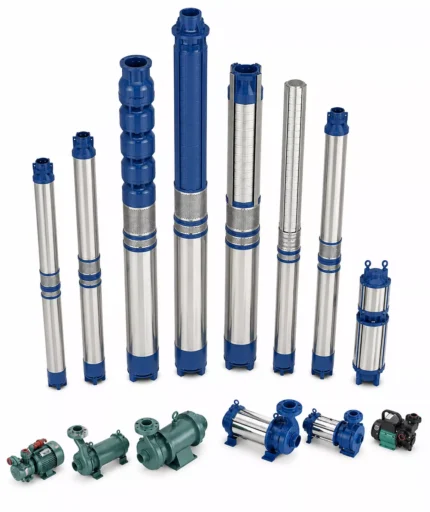
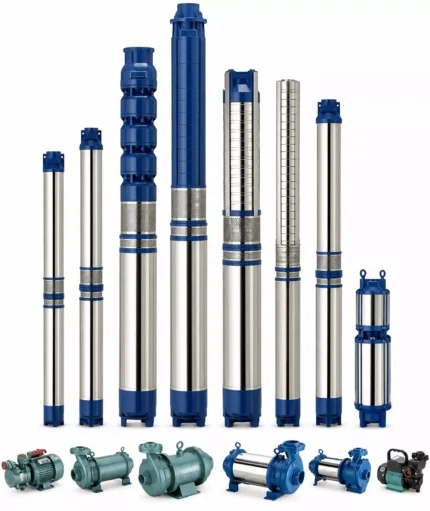
Water comes from a suitable source, such as a borewell, pond, reservoir or storage tank. A pump supplies the pressure required to operate the sprinkler network.
Mainline Water Distribution
The main pipeline carries water from the pumping unit towards the agricultural field. Sub-main pipes distribute water to different irrigation sections.
Lateral Pipe Connection
Lateral pipes connect to the sub-main network and carry water towards individual sprinkler positions.
Sprinkler Head Operation
Water passes through sprinkler nozzles under pressure. The nozzle converts the water stream into droplets and distributes them over the surrounding crop area. Rotating sprinkler heads can cover a circular irrigation pattern.
Field Irrigation
Water droplets fall onto the crops and soil surface. Farmers can control irrigation duration according to crop water requirements, soil conditions and weather.
How to Choose the Right Sprinkler Irrigation System
Selecting suitable sprinkler equipment requires careful consideration of agricultural conditions and irrigation requirements.
Farm Size and Layout
Consider the total field area, shape, crop arrangement and distance between irrigation points. Large fields may require different sprinkler configurations from small farms.
Crop Type and Height
Select sprinkler height, spray pattern and water application according to crop type and plant growth. The sprinkler arrangement should provide suitable coverage without unnecessary interference from tall crops.
Water Pressure and Flow Rate
Check the available water supply, pump capacity, required operating pressure and sprinkler discharge. These factors help determine the number of sprinklers that can operate together.
Sprinkler Type and Coverage
Compare portable sprinklers, mini sprinklers, micro sprinklers and rain guns according to their spray radius, application rate and intended agricultural use.
Soil and Weather Conditions
Consider soil infiltration, wind conditions and local weather. Strong winds can affect spray distribution, while unsuitable application rates can cause runoff or waterlogging.
Maintenance Requirements
Choose equipment with suitable nozzles, pipe connections and accessible components. Regular cleaning and inspection help maintain proper water distribution.
Frequently Asked Questions About Sprinkler Irrigation System
What is a sprinkler irrigation system?
A sprinkler irrigation system is an agricultural watering method that sprays pressurized water over crops through sprinkler heads, creating an artificial rainfall effect.
Which crops can use sprinkler irrigation?
Wheat, maize, pulses, potatoes, onions, vegetables, fodder crops and several other suitable crops can use sprinkler irrigation with proper system selection.
What are the main components of a sprinkler irrigation system?
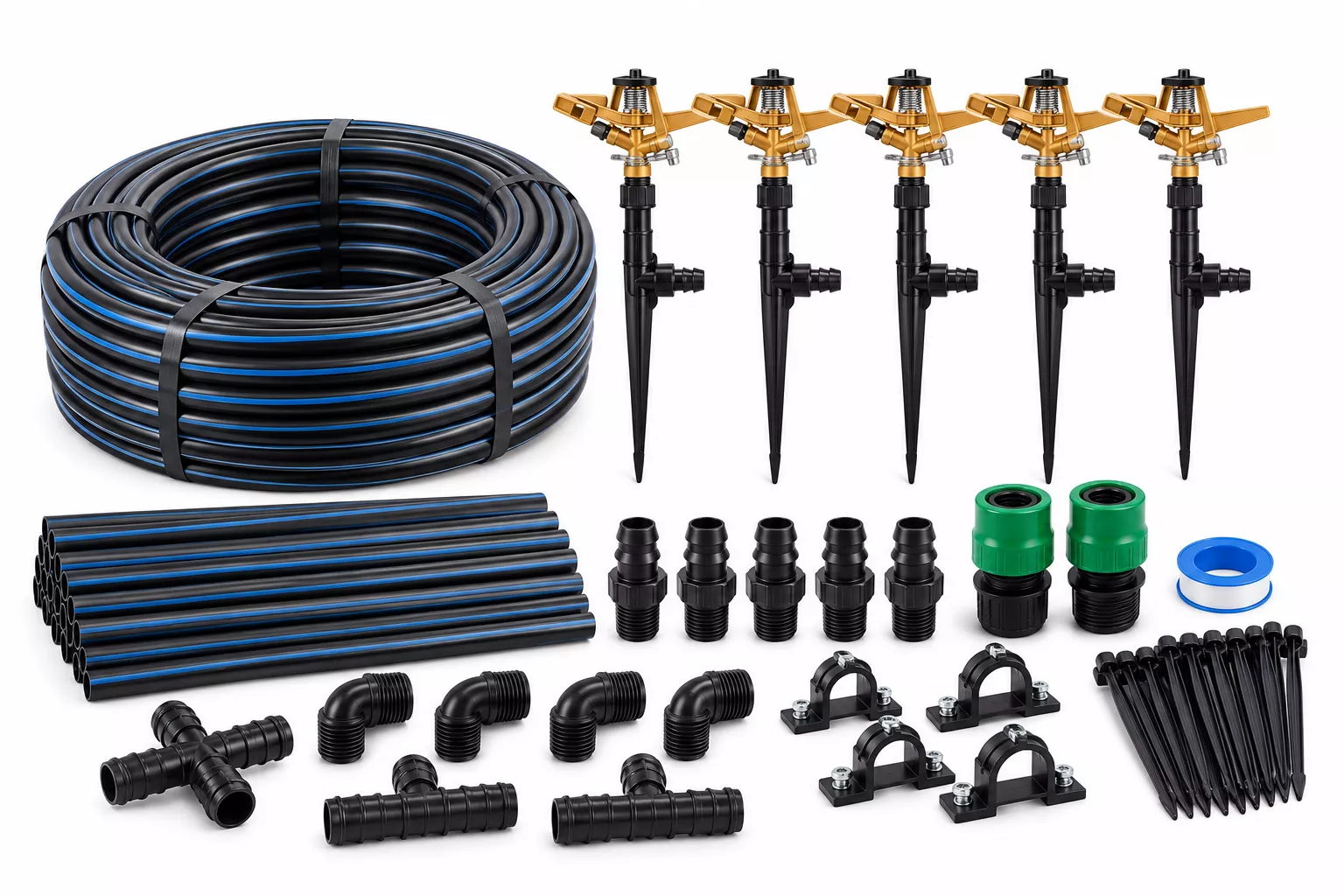
The main components include a pump unit, main pipes, sub-main pipes, lateral pipes, sprinkler heads, nozzles, risers, valves and pipe fittings. Filters and pressure gauges may also be included.
What are the different types of sprinkler irrigation systems?
Common types include portable sprinklers, mini sprinklers, micro sprinklers, semi-permanent systems, fixed sprinkler systems and large-volume rain guns. Center pivot and linear move systems are also used for mechanized field irrigation.
Does sprinkler irrigation help save water?
A properly designed sprinkler system can reduce water losses compared with some conventional surface irrigation methods. However, actual water savings depend on system design, wind, pressure, soil conditions and irrigation management.
What maintenance does a sprinkler irrigation system require?
Farmers should inspect sprinkler nozzles, clean filters, check pipe connections, monitor operating pressure and repair leaks or damaged components regularly.















Reviews
There are no reviews yet.